
Seeing wildlife in your Littleton yard can be both fascinating and concerning. Whether it's a deer nibbling on your garden or a raccoon rummaging through your trash, knowing how to respond is crucial. This guide will help you understand local wildlife, what actions to take, and when to call for professional help.
Understanding Local Wildlife
Littleton, Colorado, is home to a variety of wildlife, including deer, foxes, raccoons, and various bird species. Understanding the behavior and habits of these animals can help you manage encounters effectively. For instance, deer are often seen in suburban areas, especially during the spring and fall when they are searching for food.
In addition to deer, you may encounter small mammals such as squirrels and rabbits, which are common in residential neighborhoods. Knowing the local wildlife can help you prepare and react appropriately when you spot them in your yard.
Common Wildlife Encounters
Wildlife encounters can vary significantly based on the season and your location within Littleton. Here are some common scenarios:
- Raccoons: Often found scavenging for food, especially at night.
- Deer: May venture into gardens, particularly during mating season.
- Foxes: Typically shy, but can be seen during the day if food is scarce.
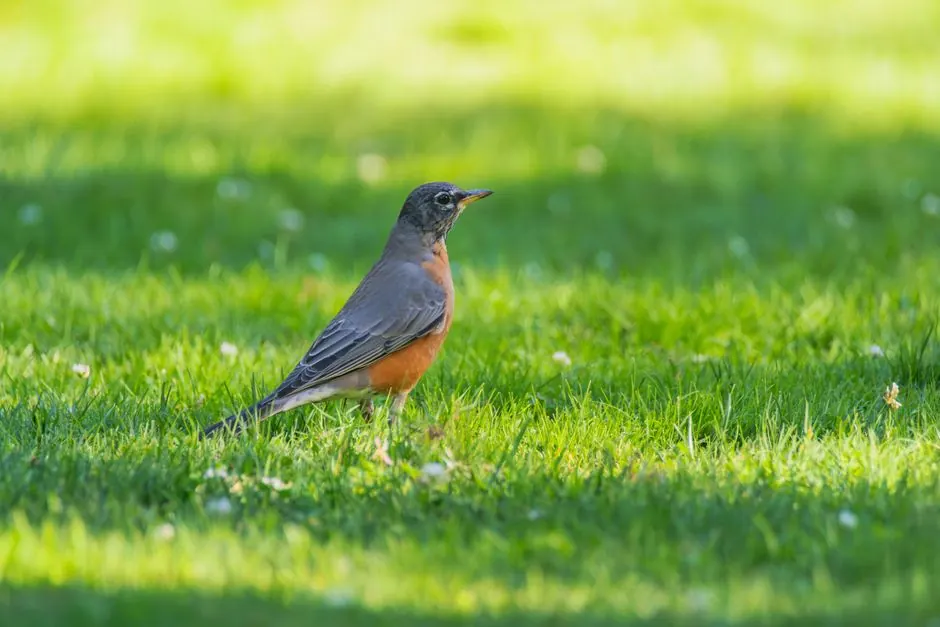
- Birds: Many species, including hawks and owls, are prevalent and can be spotted easily.
Each of these animals presents unique challenges. For example, raccoons can become aggressive if they feel threatened, while deer may cause damage to landscaping.
Immediate Actions to Take
If you see wildlife in your yard, here are some immediate steps to follow:
- Stay Calm: Do not panic. Most wildlife will not attack unless provoked.
- Observe from a Distance: Keep a safe distance and observe the animal's behavior.
- Secure Food Sources: Remove any pet food, birdseed, or trash that might attract wildlife.
- Make Noise: If the animal is too close for comfort, make noise to encourage it to leave. Clap your hands or shout.
- Do Not Approach: Never try to touch or feed wild animals.
Following these steps can help ensure both your safety and the safety of the wildlife.
Preventing Future Encounters
To minimize the chances of wildlife visiting your property again, consider implementing these preventive measures:
- Fencing: Install fences to keep larger animals like deer out of your garden.
- Secure Garbage: Use animal-proof trash cans and store garbage indoors until collection day.
- Remove Attractants: Keep pet food indoors and clean up fallen fruit from trees.
- Use Repellents: Consider using natural repellents to deter animals from your yard.
By taking these precautions, you can reduce the likelihood of future wildlife encounters in Littleton.
Common Mistakes to Avoid
When dealing with wildlife, many homeowners make mistakes that can escalate the situation:
- Feeding Wildlife: This can encourage animals to return and become dependent on humans for food.
- Chasing Animals: This can provoke aggressive behavior and lead to dangerous encounters.
- Ignoring Signs of Infestation: If you notice signs of wildlife activity, such as droppings or nests, address them promptly.
Avoiding these common pitfalls can help you manage wildlife encounters more effectively.
When to Call a Professional
If wildlife poses a threat to your safety or property, it's time to call in the experts. Littleton Pest Control Pros offers specialized wildlife removal services to help you deal with unwanted visitors. Our team is trained to handle various wildlife issues safely and humanely, ensuring that both you and the animals are protected.
Frequently Asked Questions
What should I do if I find a baby animal alone?
If you find a baby animal alone, observe it from a distance. Often, the mother is nearby and will return. If the animal appears injured or abandoned, contact a local wildlife rehabilitator.
Are raccoons dangerous?
Raccoons can be aggressive if cornered or threatened. It's best to keep your distance and avoid feeding them.
How can I tell if I have a wildlife problem?
Signs of wildlife problems include droppings, tracks, or damage to your property. If you see these signs, it's essential to take action quickly.
Can I trap wildlife myself?
While trapping is possible, it's often best to leave it to professionals. Improper trapping can harm the animal or lead to legal issues.
What types of wildlife are common in Littleton?
Common wildlife in Littleton includes deer, raccoons, foxes, and various birds. Each species has unique behaviors and challenges.
Get help with Pest Control in Littleton
If you're dealing with wildlife issues in your yard, don't hesitate to reach out for help. Contact us today for professional assistance with your pest control needs in Littleton.